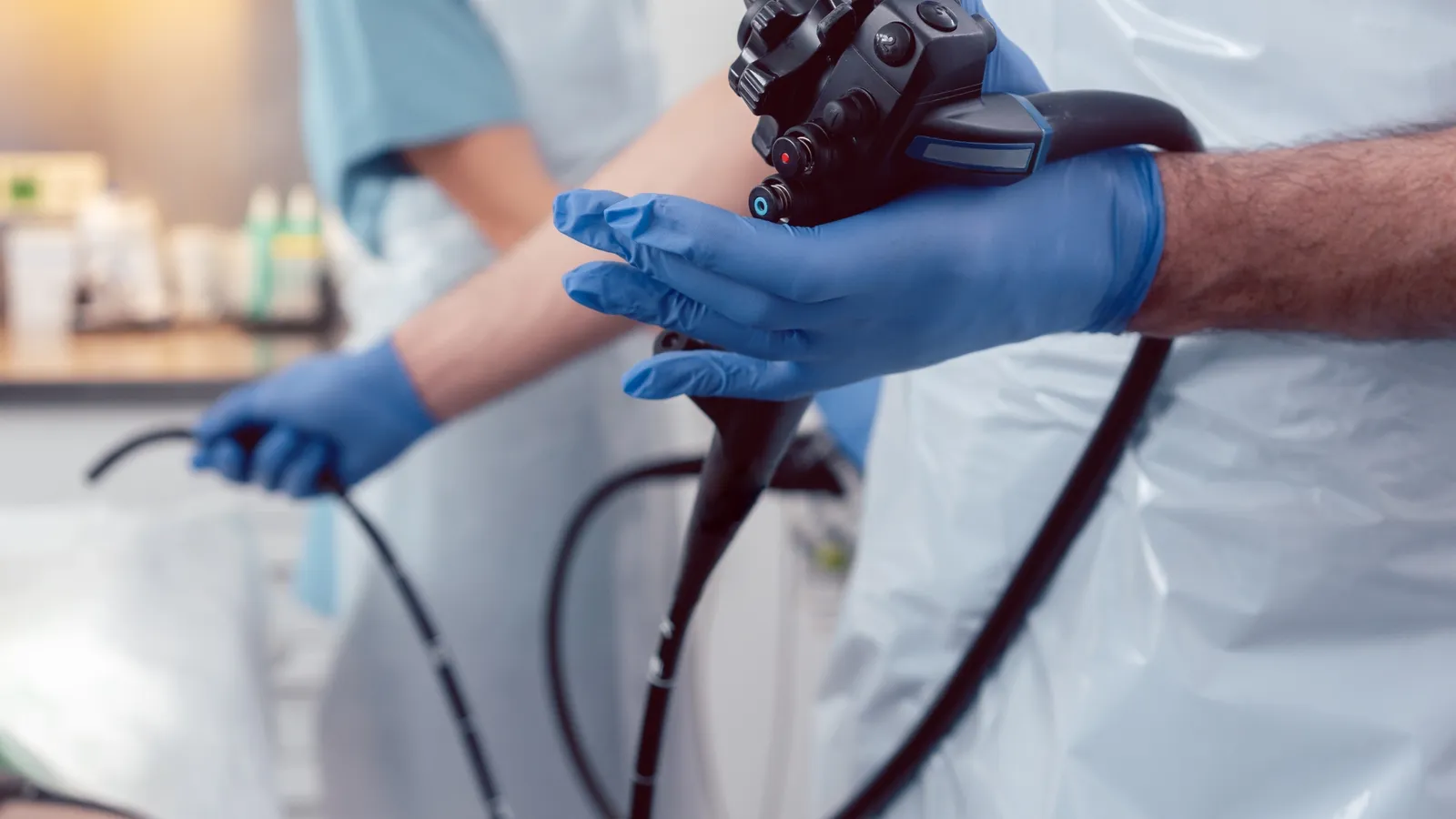
Reprocessing standards for flexible endoscopes have tightened considerably over the past decade, driven by a growing body of evidence that manual cleaning alone often fails to fully clear biofilm from narrow, tortuous channels. For hospitals and surgical centers, that gap between protocol and outcome has real clinical consequences.
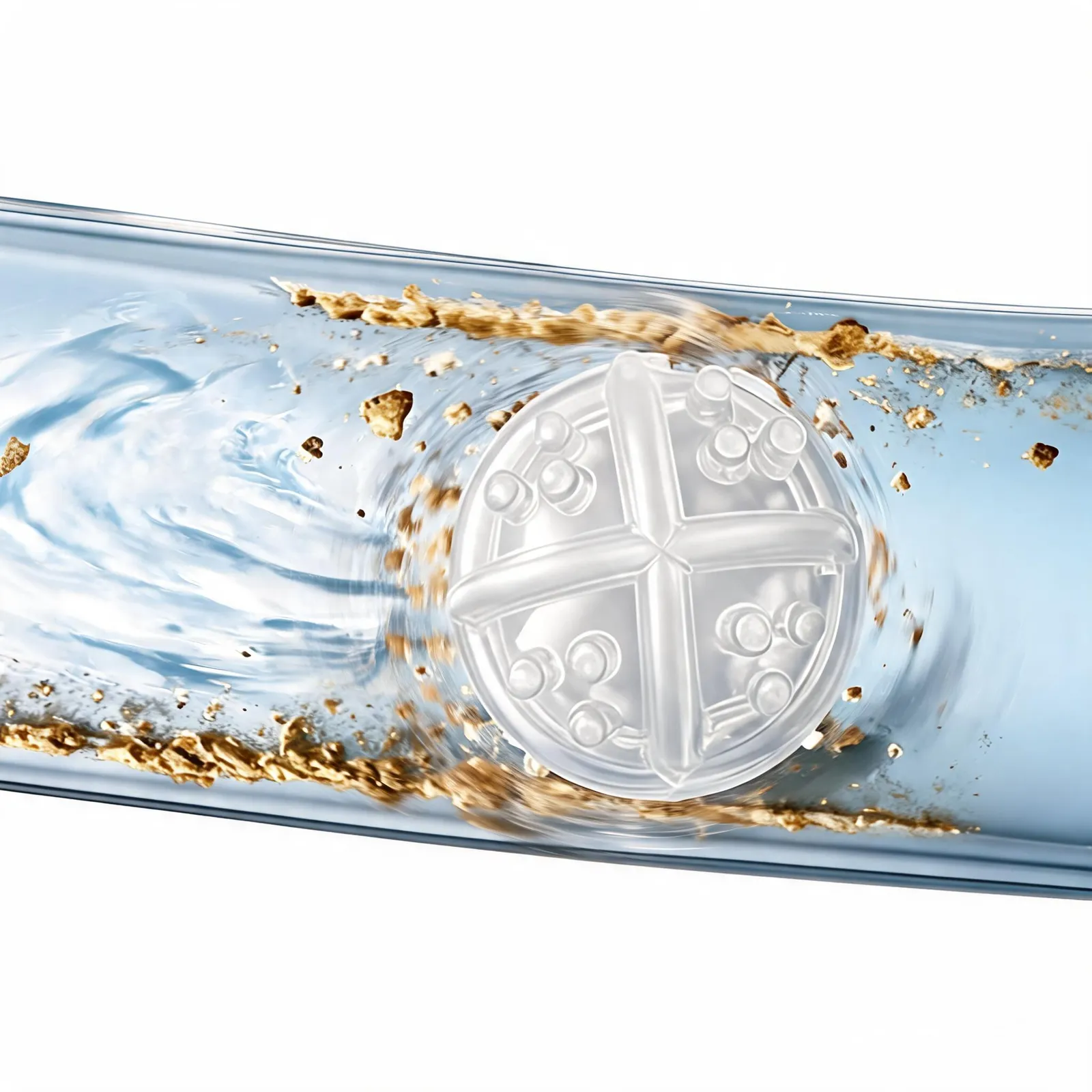
Hybrid-structure cleaning technology was developed specifically to close that gap. Unlike conventional brushes, which rely entirely on operator technique for contact and coverage, a hybrid-structure device generates consistent full-channel, full-surface contact as it travels through the endoscope — regardless of who is performing the reprocessing step.
Why manual variability matters
Even well-trained reprocessing technicians introduce variability into manual brushing — in stroke count, pressure, and dwell time. Standardizing the mechanical action of cleaning, rather than standardizing only the protocol, is what allows reprocessing outcomes to become genuinely repeatable across shifts, facilities, and staff turnover.
The goal isn't a better brush — it's removing the guesswork from a step that patient safety depends on.
What this means for reprocessing teams
As regulatory bodies continue to raise the bar on documented reprocessing efficacy, facilities that adopt engineered, single-use cleaning consumables are better positioned to demonstrate consistent compliance — while reducing the burden on reprocessing staff.